






Starting Out
Everyone desires clear-skin serums. That’s simple. Finding the way to have it done? That’s where things start to become complicated.
Entering any store or scrolling online for five minutes will have you notice hundreds of products that claim to be “the one.” Brightening, hydrating, anti-aging, and pore-minimizing—there’s a lot to focus on with serums. In reality, people tend to buy unnecessary items and only regret it later.
This is where Serum comes in. While not magical, these products certainly possess greater focus than most skincare options. They usually don’t try to do everything but rather focus on one and do it well.
They are light, quickly absorbed, and loaded with active substances that penetrate deeply. No matter whether it’s acne, dryness, dullness, or uneven tone, there’s probably a serums for that.
The important part is it isn’t about price tag or packaging. The ingredient list is what matters most.
What a serums truly does.
Essentially, a serums is a concentrated treatment. It is more delicate than cream, which helps this sink into the skin.
Consider it as the ‘treatment step’ in your routine. Moisturizers protect the skin while ensuring it remains hydrated. Serums, on the other hand, are where you actively try to fix something.
An example includes a serums that can clear your pores if facing breakouts. If your complexion is looking a little dull, a serums can brighten it up over time.
Though this is a small step, consistency can make a big impact over time.
Begin with assessing the type of skin you have.
People often skip this step already more than they should.
When people see a trendy product, they buy it even without thinking whether it actually suits their skin. At that time, things go wrong.
If you have oily skin, using heavy or greasy products could clog your pores and cause more problems. If your skin feels dry, light-texture formulas may not offer sufficient hydration. Strong ingredients can quickly irritate sensitive skin.
Before anything else, get to know your skin type. The process needn’t be complex – just focus on how the process feels throughout the day!
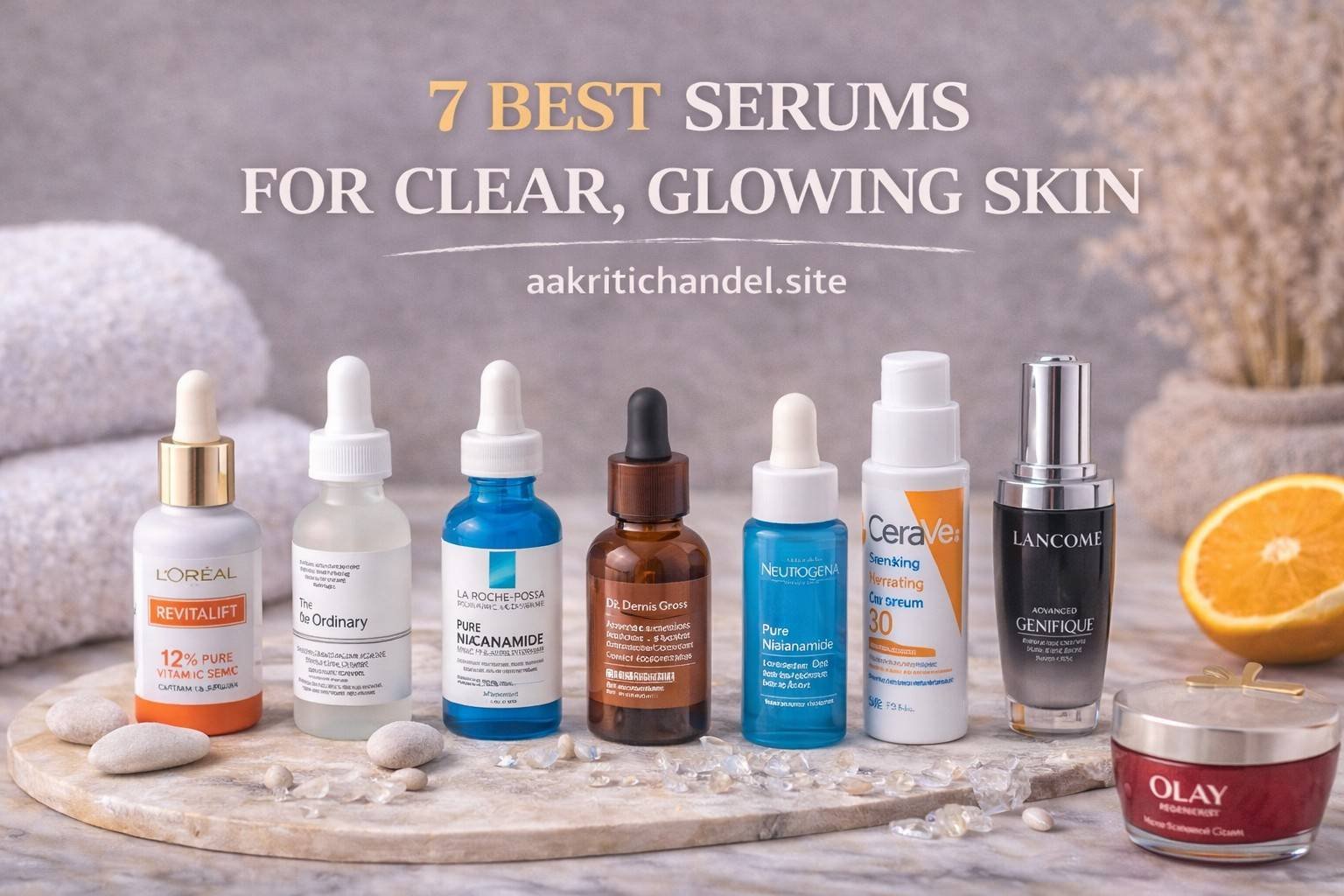
The Seven Types That Actually Work.
- Ascorbic acid
If your skin appears lacklustre or uneven, this is a good place to start. Vitamin C aids in brightening the complexion and fading dark spots over time. It should be used in the morning and topped with sunscreen. - Hyaluronic acid
This is all about hydration. It makes your skin retain moisture, making it softer and smooth to the touch. A little trick: use it on wet skin to get better results. - Niacinamide
Dependable all-purpose option. It aids in oil control, minimizes pores, and may soothe redness. This one’s worth a try, especially if your skin type is oily or acne-prone. - Salicylate acid.
Use this for oily skin. It penetrates your pores and clears out any buildup that can trigger an outbreak. Be careful not to use a lot of it, as it may dry your skin. - Retinol.
likely the most discussed ingredient for anti-aging. It helps with fine lines, texture, and even acne breakouts in some cases. But it’s strong, so start slow. Only use it at night. - Alpha Arbutin
When dark spots or pigmentation irritate you, this ingredient can help. It slowly helps in evening out your skin tone. It might not be fast-acting, but it does work when incorporated into your regular regimen. - Peptides.
These put a bigger focus on your skin’s long-term health. These assist with skin structure and elasticity. Although you will not see overnight results, they are helpful in keeping the skin healthy.
Choosing one (without overthinking it).
This is where things often become complicated.
There’s no need for three or four serums at once. Begin with one. Choose the problem that bothers you most and concentrate on that one.
If you attempt to fix every issue at once, then you usually get confused about what’s actually working.
Moreover, don’t lose focus because of advertisers. Examine the ingredients by turning around the product, which will tell you more than the label put on it.
Do a patch test always. Just a few minutes might save you from a nasty reaction.
How to utilize this tool
Establish an uncomplicated routine. There’s no reason it should be complicated.
- Wash your face first.
- Just add a few drops of the serum.
- Apply a moisturizer afterwards.
This is sufficient for the majority.
If you’re using actives like vitamin C or retinol, applying sunscreen during the day is essential. Without it, you’re basically taking a step back.
Where people go wrong in life.
When you try to do too much, you mess up a lot.
Using more product will not cause it to work faster. Using random ingredients without knowledge of interactions may hurt your skin. Another major one is skipping sunscreen.
But another mistake everyone made? Quitting too early.
Most serums require patience. You can’t expect significant changes in a matter of days. Wait at least a few weeks before making a decision about its effectiveness.
Some things help a lot more than you think.
Skincare items are important, but they aren’t everything.
When you drink enough water, it keeps the skin hydrated.
- What you eat can impact how your skin looks.
- It has a much larger role than people think.
Committing to a routine will yield results. A simple, daily routine beats a complex one you can’t stick to. (15 words)
Close off
You don’t have to have a whole shelf of serums and a complex routine.
- Select a serums that matches your skin concern.
- Utilize it consistently.
- Let it take away pain.
That’s all there is for the time being.
Radiant skin depends on a regular regimen rather than doing different things every few days.